
How Is Fault Determined in an Accident in Florida?
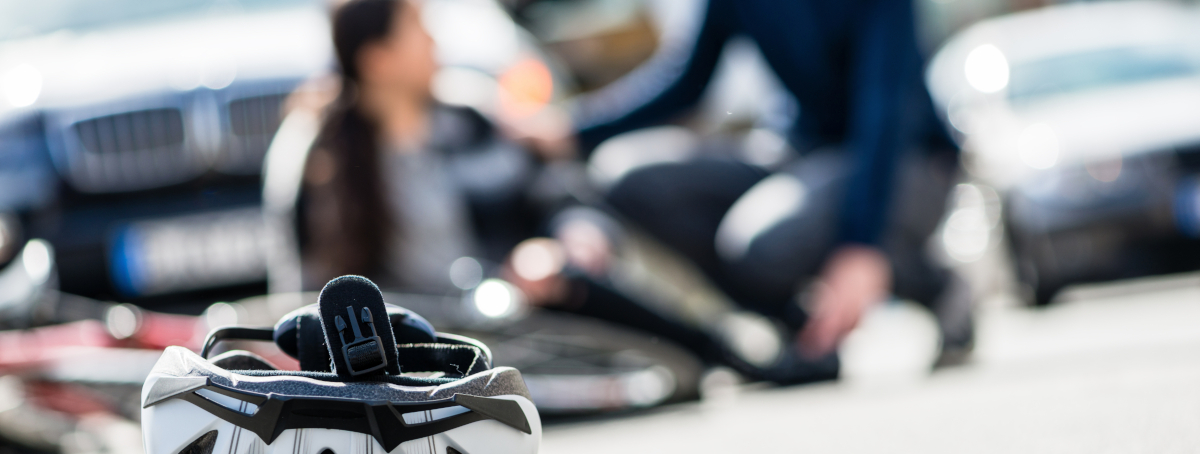
After a serious crash, one of the first questions people ask is how fault is determined in an accident. In Florida, fault matters because it affects who pays for injuries, how insurance companies value a claim, and whether an injured rider can recover compensation in a lawsuit. Police reports, witness statements, photos, video, vehicle damage, and traffic laws can all play a role in that decision. Florida also uses a comparative negligence system, which means more than one person can share legal responsibility for the same crash.
For injured motorcyclists, fault disputes are especially common. Riders are often blamed too quickly, even when another driver turned left, changed lanes without checking, or failed to yield. Understanding how fault is determined in an accident can help you protect your rights and avoid letting an insurance company define the story before all the evidence is reviewed.
What Percentage of Motorcycle Accidents Are the Riders Fault?
This is a common search phrase, but there is no single official Florida number that answers what percentage of motorcycle accidents are the riders fault across all crashes. Florida publishes statewide motorcycle crash totals, fatalities, and serious injuries, but fault can vary from case to case and often depends on the facts of the specific collision. FLHSMV reported that motorcycles were involved in 9,522 crashes in Florida in 2023, with 604 deaths and 2,123 serious bodily injuries. FLHSMV also reported that in 2024, over 600 motorcyclists suffered fatal injuries and over 2,000 suffered serious injuries during crashes.
Motorcycle Accident Fault Statistics in Florida
When people look for motorcycle accident fault statistics, they are usually trying to answer who caused the crash. The truth is that many cases are not simple. Florida’s official data shows the scale of motorcycle crashes, but fault findings usually come from police investigation, insurance review, and sometimes litigation. National Highway Traffic Safety Administration guidance also notes that in multi-vehicle motorcycle crashes, the other driver often plays a major role because the motorcycle is not seen in time.
That is why broad percentages can be misleading. A rear-end crash, a left-turn collision, a lane-change crash, and a single-bike wreck all involve different fault questions. Instead of relying on assumptions, the better question is how the evidence explains what happened.
Why Riders Are Disproportionately Blamed After a Crash
Riders are often unfairly blamed because motorcycles are smaller, less visible, and easy for others to stereotype as reckless. But visibility issues do not automatically make the rider responsible. NHTSA states that the majority of multi-vehicle motorcycle crashes generally happen because other drivers did not see the motorcyclist. In other words, being harder to notice is not the same as being legally at fault.
Insurance adjusters may also focus on speed, bike size, or helmet use before they fully examine the scene. That is one reason a careful investigation matters so much in any motorcycle accident fault dispute.
How Do Police Determine Fault in an Accident?
Many injured riders want to know how the police determine fault in an accident. Police officers do not decide a civil case the way a judge or jury does, but their report can strongly influence insurers and later legal claims but it is not admissible in Court. Officers gather information at the scene, interview drivers and witnesses, document damage, note road conditions, and may issue citations if they believe a traffic law was violated. Florida’s crash reporting system includes event, vehicle/person, and narrative/diagram components for recording what happened.
What Information Police Reports Contain
A Florida crash report can contain key details such as:
- the date, time, and location of the crash
- the people and vehicles involved
- injury severity
- whether EMS responded
- statements from those involved
- citations or suspected violations
- a narrative and diagram in qualifying crashes
This information helps insurers begin determining fault in an accident, even though the report itself is only one piece of the puzzle.
How Officers Document the Accident Scene
Police also look at the physical scene. They may record skid marks, lane positions, debris, roadway markings, weather, lighting, and visible vehicle damage. NHTSA materials describe crash investigations as relying on the police report, scene images, official records, and witness information to understand how a collision occurred.
That scene documentation can be very important in a motorcycle case, where impact angle, lane position, and visibility often decide fault.
Key Factors Used to Determine Fault in an Accident
If you are wondering how to determine fault in an accident, the answer usually comes down to whether someone failed to use reasonable care and whether that failure caused the crash. In motorcycle cases, the same core factors come up again and again.
Traffic Law Violations and Right-of-Way
A citation is not the final word, but it matters. If one driver failed to yield, ran a red light, made an unsafe lane change, or turned left across traffic, that can strongly support fault. Right-of-way rules are especially important in intersection crashes, which are common in motorcycle collisions.
This is also how many people know who’s at fault in an accident in the early stages: they start with the traffic rules that applied at the moment of impact.
Speed, Road Conditions, and Visibility
Speed can affect fault even if it is not the only cause. A driver who was speeding may have had less time to react. At the same time, road design, rain, glare, darkness, and blocked sight lines can change how a crash is analyzed.
In Florida, motorcycles are on the road year-round. That makes visibility issues especially important, particularly at intersections and during lane changes. A driver cannot avoid responsibility just by claiming, “I never saw the bike.”
Driver Distraction and Impairment
Texting, looking at a navigation screen, eating, or other distractions can all support fault. Impairment from alcohol or drugs can be even more significant. FLHSMV’s statewide data continues to track alcohol- and drug-confirmed crashes, which shows how seriously Florida treats impairment as a crash factor.
For injured riders, these details may determine whether the insurer makes a low offer or a fair one.
The Role of Evidence in Establishing Motorcycle Fault
Evidence is often what turns a disputed case into a strong one. If you want to understand how fault is determined in an accident, look at the proof that exists outside the opinions of the drivers involved.
Photos, Video Footage, and Physical Evidence
Photos from the scene, helmet camera footage, dashcam video, nearby surveillance video, gouge marks, debris fields, and damage patterns can all help explain what happened. Physical evidence can show point of impact, direction of travel, and whether a driver crossed into the rider’s lane.
This is often the difference between a denied claim and a successful motorcycle accident fault case.
How Witness Statements Impact Fault Decisions
Neutral witnesses can be extremely important. A driver may say the rider came out of nowhere, but an independent witness may say the driver turned directly into the motorcycle’s path.
Witnesses also help when insurers try to shift blame. Their statements can support a motorcycle accident fault analysis that is based on facts instead of assumptions.
Who Is at Fault in Most Motorcycle Accidents?
There is no universal answer to who is at fault in most motorcycle accidents, because each crash has its own facts. But in many multi-vehicle motorcycle collisions, the other driver is legally responsible for failing to see the rider, failing to yield, or turning across the rider’s lane. NHTSA states that the majority of multi-vehicle motorcycle crashes generally are caused when other drivers simply did not see the motorcyclist, and one NHTSA CrashStats report found that in 43% of fatal two-vehicle motorcycle crashes involving another moving vehicle, the other vehicle was turning left while the motorcycle was going straight, passing, or overtaking.
When the Other Driver Is Legally Responsible
The other driver may be at fault when they:
- turn left in front of a motorcycle
- merge without checking blind spots
- open a car door into traffic
- rear-end a stopped rider
- fail to yield at an intersection
These are common ways to answer the question “who is at fault in most motorcycle accidents” in real-world claims.
When Accident Reconstruction Experts Are Needed
Some cases are too technical for a simple report review. If there is severe injury, conflicting stories, or disputed speed and visibility, an accident reconstruction expert may be needed. These experts use measurements, damage analysis, scene data, and physics to explain how the crash happened.
That can be critical when an insurer is trying to blame the rider without solid proof.
How Shared Fault Affects Your Motorcycle Accident Claim
Not every case ends with one person being 100% responsible. Florida law allows fault to be shared.
Florida’s Comparative Negligence Law Explained
Florida’s comparative negligence statute says a claimant’s damages are reduced in proportion to their share of fault. The law also states that in most negligence actions, a party who is found to be greater than 50% at fault for their own harm cannot recover damages.
So if a rider was speeding but the other driver made an unsafe left turn, both actions may be considered.
What Happens to Your Compensation When You Are Partially at Fault
This matters for anyone asking what to do if you are at fault in an accident. Partial fault does not always destroy a claim. It may reduce compensation instead. For example, if your damages are $100,000 and you are found 20% at fault, your recovery may be reduced to $80,000 under Florida’s comparative negligence rules.
That is why early evidence collection matters so much. Small shifts in fault percentages can make a major difference in the value of a claim.
Why You Need a Motorcycle Accident Lawyer in Florida
Motorcycle claims are often defended aggressively. Riders are blamed fast, and insurers may act as though every crash was caused by speed or risky riding. A lawyer helps level the field.
Protecting Your Rights Against Insurance Disputes
An attorney can gather evidence, challenge a weak police conclusion, identify traffic law violations, and push back when the insurer unfairly blames the rider. That is especially important when serious injuries are involved and the stakes are high.
How Legal Representation Strengthens Your Case
A strong lawyer can help prove liability, work with experts, document damages, and explain why the insurer’s fault argument does not match the evidence. Whether you need a motorcycle accident lawyer, a personal injury lawyer, a Uber & Lyft rideshare accident lawyers, or guidance after another roadway collision, the right legal strategy can shape the outcome from the start.
If you were hurt in a crash, do not guess about how fault is determined in an accident. Get clear answers, protect the evidence, and speak with SS & W Law as soon as possible. To learn more about us or contact us, reach out today for a free consultation and find out how our team can help you move forward.
Recent News
Can You Claim a Car Accident Without a Police Report in Florida?
Slinkman, Slinkman & Wynne, P.A.2026-09-01T06:04:24-04:00August 18, 2026|
Understanding Economic vs Non-Economic Damages in Florida Car Accident Claims
Slinkman, Slinkman & Wynne, P.A.2026-09-01T05:58:37-04:00July 11, 2026|
Drunk Driving Wrongful Death Lawsuit: What to Know
Slinkman, Slinkman & Wynne, P.A.2026-07-17T05:28:21-04:00June 2, 2026|


