
What to Do After a Car Accident in Florida: Vital Steps & Legal Right
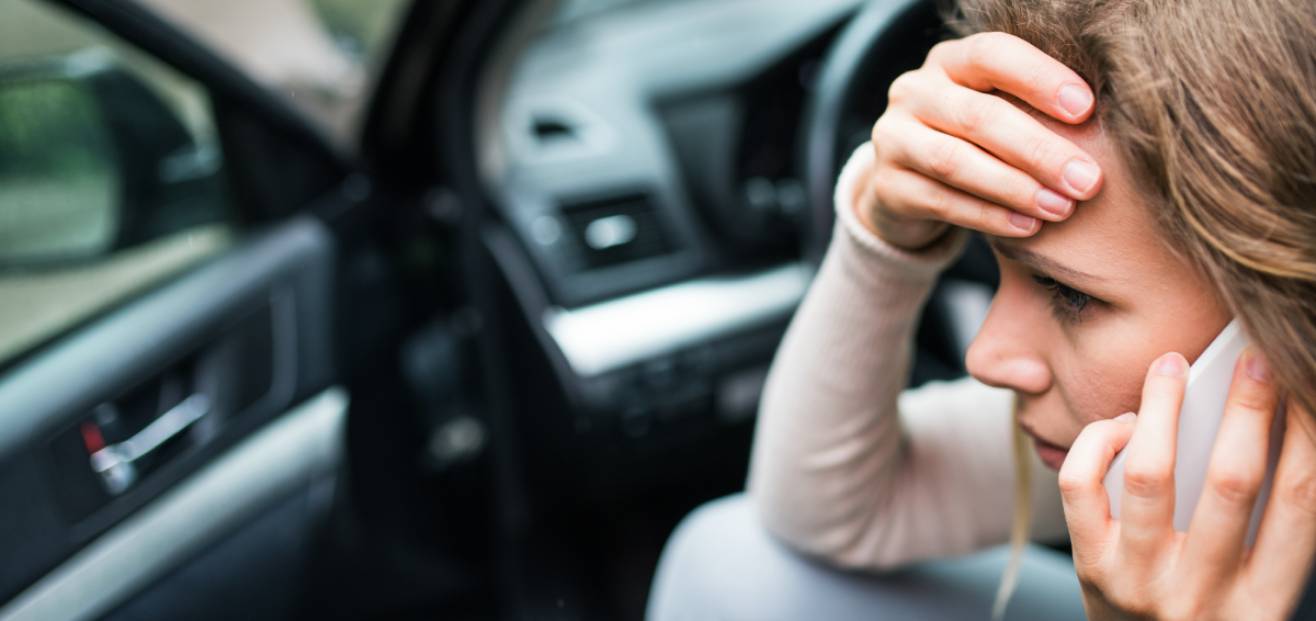
A car accident can happen to you anytime, leaving you shocked and confused. It’s critical to know what to do in these situations to ensure your safety and safeguard your legal rights following a car accident. In this blog post, we discuss the five essential actions you should do in the event of an automobile collision.
Steps to Take After a Car Accident in Florida
These are the steps you should take after a car accident in Florida:
Assess Injuries and Request Medical Help
Your immediate priority following any car accident should be evaluating the physical condition of everyone involved. Even if you feel fine initially, adrenaline and shock can mask serious injuries that may not become apparent for hours or even days. Begin by conducting a quick self-assessment, checking for pain, discomfort, or any obvious signs of injury such as bleeding, swelling, or difficulty moving.
If anyone appears to be seriously injured, unconscious, or complaining of severe pain, call 911 immediately and request emergency medical services. Do not attempt to move anyone who may have sustained spinal injuries unless they are in immediate danger from fire or oncoming traffic. While waiting for emergency responders, provide basic first aid if you are trained to do so, such as applying pressure to bleeding wounds or helping someone remain calm and still.
Even in cases where injuries seem minor or non-existent, it’s advisable to seek medical attention within 24-48 hours of the accident. Some injuries, particularly soft tissue damage, concussions, and internal injuries, may not present symptoms immediately but can worsen without proper treatment. Having medical documentation from shortly after the accident also strengthens any potential insurance claims or legal proceedings.
Move Vehicles Out of Traffic and Secure the Scene
If the vehicles involved in the accident are drivable and no one appears seriously injured, Florida law requires you to move them out of the flow of traffic to prevent additional accidents. Turn on your hazard lights immediately and carefully move your vehicle to the shoulder of the road, a nearby parking lot, or the closest safe location. If your vehicle cannot be moved due to damage, leave it where it is and focus on making the scene as visible as possible to other drivers.
Set up warning devices such as flares, reflective triangles, or emergency cones at least 100 feet behind the accident scene on highways, or 50 feet on city streets. If you don’t have these items, use your cell phone’s flashlight or ask other drivers to help direct traffic around the scene. Turn on all available lights, including headlights, hazard lights, and interior lights to increase visibility, especially during nighttime or poor weather conditions.
Ensure all passengers exit vehicles safely and move to a secure location away from traffic. If possible, position everyone on the side of the road away from oncoming vehicles. Be particularly cautious on busy highways where passing traffic poses a significant risk to everyone at the scene.
Reporting a Car Accident to the Police
Florida law mandates that you report any car accident to law enforcement if it results in injury, death, or property damage exceeding $500. Even if the damage appears minimal, it’s often difficult to accurately assess repair costs at the scene, making it advisable to call police for most accidents. Contact 911 or the local police department’s non-emergency number, depending on the severity of the situation.
When speaking with the dispatcher, provide clear and accurate information about the accident location, number of vehicles involved, whether anyone is injured, and if the roadway is blocked. Remain at the scene until police arrive, as leaving could result in hit-and-run charges even if you weren’t at fault for the original accident.
Cooperate fully with responding officers by providing your driver’s license, vehicle registration, and insurance information when requested. Answer questions honestly and factually, but avoid speculating about what caused the accident or admitting fault. The police report will include the officer’s assessment of the scene and may contain important details that support your version of events during insurance negotiations or legal proceedings.
Document the Scene, Damage, and Witness Details
Thorough documentation of the accident scene can prove invaluable when dealing with insurance companies or potential legal action. Use your smartphone to take comprehensive photographs from multiple angles, including wide shots showing the overall scene, close-ups of vehicle damage, street signs or traffic signals, skid marks, debris, and any relevant road conditions such as potholes or construction zones.
Photograph all vehicles involved, capturing license plates, VIN numbers if visible, and damage to both the exterior and interior. Take pictures of the exact location where each vehicle came to rest, as this information can help accident reconstruction experts determine fault. If there are any visible injuries, photograph them as well, though be respectful and ask permission first.
Collect contact information from all witnesses, including their full names, phone numbers, and email addresses. Ask each witness to provide a brief written statement describing what they observed, or record their account using your phone’s voice memo feature. Independent witnesses can provide crucial testimony that supports your version of events, especially in cases where fault is disputed.
Exchange Driver and Insurance Information
Florida law requires all drivers involved in an accident to exchange specific information, regardless of who may be at fault. Obtain the full legal name, driver’s license number, insurance company name and policy number, vehicle make, model, year, and license plate number from each driver. Also collect their current address and phone number for future communication.
Provide the same information to other drivers involved, but be cautious about sharing additional personal details beyond what’s legally required. If the other driver claims they don’t have insurance or cannot locate their insurance card, still collect their personal information and report this to your insurance company and the responding police officer.
Be courteous but avoid discussing fault, apologizing, or making statements that could be interpreted as admissions of guilt. Phrases like “I’m sorry” or “I didn’t see you” can be used against you later, even if you were simply expressing sympathy rather than accepting responsibility.
Notify Your Insurance Provider Promptly
Contact your insurance company as soon as possible after the accident, ideally within 24 hours. Most insurers have 24-hour claim reporting hotlines that allow you to begin the process immediately. When reporting the claim, provide factual information about what happened, but avoid speculating about fault or providing detailed statements until you’ve had time to review the police report and consult with your agent.
Your insurance company will assign a claims adjuster to investigate the accident and assess damages. Be prepared to provide the police report number, contact information for other drivers and witnesses, and any photographs or documentation you collected at the scene. Keep detailed records of all communications with your insurance company, including claim numbers, adjuster names, and dates of conversations.
Reporting a Car Accident in Florida: Legal Requirements & Deadlines
Florida’s accident reporting requirements vary depending on the severity of the incident and the amount of damage involved. Understanding these legal obligations helps ensure you comply with state law and protect your rights following an accident.
For accidents involving injury, death, or property damage exceeding $500, you must report the incident to law enforcement immediately. Additionally, if any vehicle involved requires towing due to damage, the accident must be reported regardless of the estimated repair costs. The responding officer will complete an official accident report, which becomes part of the public record and can be obtained for insurance and legal purposes.
Florida also requires drivers to file a written report with the Department of Highway Safety and Motor Vehicles within ten days if the accident results in injury, death, or property damage exceeding $500 and no police report was filed. This requirement applies even to minor accidents that may not have seemed significant at the time but later prove to involve substantial damage or delayed-onset injuries.
How to Report a Car Accident to Insurance
Effective communication with your insurance company can significantly impact the outcome of your claim and the speed of resolution. When reporting an accident, provide a clear, chronological account of events leading up to and during the collision. Stick to observable facts rather than opinions or assumptions about what the other driver was thinking or intending.
Prepare essential information before calling, including the date, time, and exact location of the accident, weather and road conditions, names and contact information for all parties involved, insurance information for other drivers, and a brief description of how the accident occurred. Having this information readily available helps ensure you don’t forget important details during the stress of making the initial report.
Be honest about any citations you may have received, pre-existing damage to your vehicle, or other factors that might affect your claim. Insurance companies conduct thorough investigations, and attempting to hide relevant information can result in claim denial or policy cancellation.
Mistakes to Avoid After a Car Accident
Several common mistakes can jeopardize your insurance claim or legal rights following a car accident. Avoid leaving the scene before exchanging information and ensuring everyone is safe, even if the accident seems minor. Hit-and-run charges can result in serious legal consequences, including license suspension and criminal penalties.
Never admit fault or apologize at the scene, as these statements can be used against you during insurance negotiations or legal proceedings. Even if you believe you may have contributed to the accident, fault determination should be left to insurance adjusters and legal professionals who can thoroughly investigate all contributing factors.
Delaying medical treatment is another critical mistake that can harm both your health and your legal case. Insurance companies often argue that delayed medical care indicates injuries weren’t serious or weren’t caused by the accident. Seek medical attention promptly, even for seemingly minor injuries, and follow all recommended treatment plans.
How Long After a Car Accident Can You Claim Injury in Florida?
Florida’s statute of limitations for personal injury claims arising from car accidents is generally twoyears from the date of the accident.
The discovery rule may extend the limitation period in cases where injuries don’t manifest symptoms until weeks or months after the accident. This commonly applies to traumatic brain injuries, soft tissue damage, and psychological trauma that may not be immediately diagnosable. However, proving that an injury was not reasonably discoverable at the time of the accident requires substantial medical evidence and expert testimony.
It’s important to note that insurance claims have much shorter deadlines than legal action. Most insurance policies require notification of accidents within a reasonable time, typically 30 days, and formal claims must usually be filed within one year. Missing these deadlines can result in claim denial, regardless of the strength of your case.
When to Contact a Lawyer After a Car Accident
While not every car accident requires legal representation, certain circumstances make consulting with an attorney advisable. If you’ve sustained serious injuries that require extensive medical treatment, result in permanent disability, or significantly impact your ability to work, an experienced car accident attorney can help ensure you receive fair compensation for your losses.
Complex liability situations involving multiple vehicles, disputed fault, or inadequate insurance coverage often benefit from legal expertise. Insurance companies may attempt to minimize payouts or shift blame to avoid responsibility, making professional legal representation crucial for protecting your interests.
Contact an attorney immediately if the other driver was uninsured, underinsured, or if your own insurance company is disputing coverage or offering inadequate settlements. Legal professionals can navigate complex insurance regulations and negotiate with multiple parties to maximize your recovery while you focus on healing from your injuries.
Legal Recourse: Consulting a Slinkman, Slinkman and Wynne, P.A. Attorney
Slinkman, Slinkman and Wynne, P.A.’s skilled attorneys can provide invaluable legal advice if you’ve been in a car accident. Here’s how we will help you:
Know Your Rights: Our lawyers will assist you in being aware of your legal rights and alternatives. We are experts in handling personal injury matters, encompassing auto collisions, and may offer customized counsel based on your circumstances.
Investigation: We carry out a thorough investigation into the mishap, compiling data, speaking with witnesses, and constructing a compelling case in your favor.
Negotiation: To guarantee you get just compensation for medical expenses, property damage, missed income, and pain and suffering, our legal team negotiates with insurance carriers.
Litigation: We are ready to take your case to court and vigorously defend your interests if discussions fail to result in a satisfactory settlement.
Peace of Mind: Managing the fallout from an automobile collision can be rather demanding. Our lawyers offer assistance and direction so you can focus on recovery while we take care of complex legal matters.
Even though we sincerely hope you never get into a car accident, knowing what to do in the aftermath and speaking with an experienced lawyer can help you safeguard your legal rights and get the money you are entitled to.
If you want assistance following an automobile accident, don’t hesitate to contact Slinkman, Slinkman and Wynne, P.A. During this trying time, our knowledgeable legal team is ready to assist you and support you. Our priorities are your legal rights and well-being, and we’re dedicated to guiding you on the road to healing and justice.
Recent News
Can You Claim a Car Accident Without a Police Report in Florida?
Slinkman, Slinkman & Wynne, P.A.2026-09-01T06:04:24-04:00August 18, 2026|
Understanding Economic vs Non-Economic Damages in Florida Car Accident Claims
Slinkman, Slinkman & Wynne, P.A.2026-09-01T05:58:37-04:00July 11, 2026|
Drunk Driving Wrongful Death Lawsuit: What to Know
Slinkman, Slinkman & Wynne, P.A.2026-07-17T05:28:21-04:00June 2, 2026|


